The Link Between Pregnancy and Tinnitus

Pregnant people can experience many side effects, including tinnitus. Also known as the perception of ringing, buzzing or whooshing without an external sound, tinnitus can affect one in three pregnant people. While often temporary, it can still feel disruptive, especially as the pregnant individual is undergoing rapid physical and hormonal changes. Why Pregnancy Can Cause…
How To Encourage a Friend To Get a Hearing Test

Bringing up hearing concerns with a friend can feel delicate. Many adults deny early hearing issues due to fears about aging or embarrassment.Using a supportive, coaching‑style approach can make the conversation easier and more effective. Choose the Right Moment and Mindset Pick a relaxed, private time to talk and approach the conversation with calm concern…
Explore the Latest Hearing Aid Innovations

Hearing aids are constantly evolving, and 2026’s models are the best yet! They combine advanced AI-driven sound processing, improved noise reduction and seamless connectivity to make your daily hearing experience as perfect as possible. Smarter, More Personalized Sound with Ai Thanks to artificial intelligence, hearing aids can now learn from your environment and preferences to…
Understanding Aging and Neural Presbycusis

Are you a senior who struggles to understand speech? You may have neural presbycusis, a form of age-related hearing loss that occurs when nerve cells in the cochlea and/or the auditory pathways to the brain deteriorate over time. Unlike other types of hearing loss that mainly affect how loud sounds seem, neural presbycusis affects how…
Cochlear Implants Open Up a World of Sound for Senior Citizens
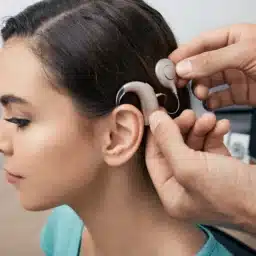
You’re never too old to try something new—and that includes improving your hearing. Thanks to Northwestern University’s cochlear implant program, Kitty Grutzmacher, 84, went from struggling to hear with hearing aids to finding auditory success with a cochlear implant. “As long as you’re healthy enough to undergo surgery, age is not a concern,” Krystine Mullins,…
Are Men Prone to More Hearing Issues?

It’s important to recognize that hearing loss is a significant health issue that can affect anyone, yet men may be particularly susceptible due to biological factors and lifestyle choices. From Birth Aging and Hearing Noise Exposure Hormones Genetics Getting Help What This Means for You With consistent use, hearing aids can support several aspects of…
AI in Hearing Aids: What It Does and How It Helps You

Artificial intelligence (AI) is transforming hearing aids into smarter, more responsive devices that adapt to each user’s listening needs. Modern hearing aids are no longer just amplifiers—they are equipped with advanced AI systems designed to deliver clearer, more natural and more personalized hearing experiences. Some devices use deep neural networks trained on millions of real-life…
The Power of a Support System in Hearing Health

Living with hearing loss can be hard at times, but having a strong support system makes it easier. Your support system may include family, found family, friends, neighbors, members of your church or religious community—it’s anyone you can count on to be there for you throughout your hearing loss journey. What Research Says Having a…
How AI Is Making Hearing Aids Better Than Ever

AI (artificial intelligence) is in everything these days, including hearing aids! Here’s a look at how AI is changing hearing aids for the better, improving the user’s listening experience while also supporting their overall health and well-being. How AI Hearing Aids Work Using machine-learning algorithms, these hearing aids constantly analyze the sounds around you and…
Why Choose Hearing Aids from an Audiologist Over a Big Box Retailer
When it comes to addressing hearing loss, selecting the right hearing aid provider is a can significantly impact the quality of your life. While big box retailers may seem appealing due to their convenience and lower price points, the medical hearing aid model offers a superior level of service and expertise remain unmatched. The most…